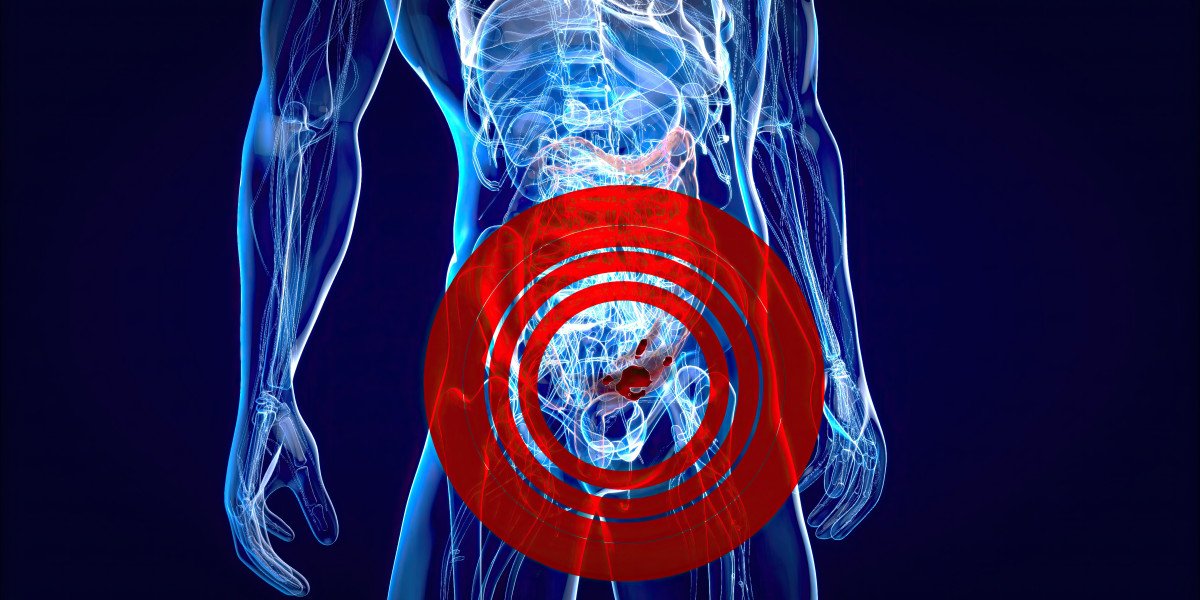

As men enter their 40s and beyond, the body begins to communicate in subtle ways. These signals are not sudden alarms but gradual changes that reflect internal adjustments. One of the most important areas that begins to shift during midlife is prostate health.
The prostate is small, yet its influence extends far beyond urinary function. Changes in this gland can affect comfort, sleep patterns, confidence levels, and even overall vitality. Understanding these signals allows men to respond early and maintain long-term wellness.
Why the Prostate Becomes a Focus After Forty
Age-related changes are natural. Hormones shift slowly, tissues become less elastic, and cellular renewal processes adjust. The prostate is particularly sensitive to these transitions.
As testosterone levels gradually decline with age, the balance between hormones changes. This can contribute to prostate enlargement in some men. The condition is common and not necessarily dangerous, but it can cause noticeable symptoms.
Typical midlife prostate-related changes may include:
- Increased urgency to urinate
- Weak urine stream
- Difficulty starting urination
- Nighttime bathroom visits
- Feeling of incomplete emptying
These symptoms often develop slowly, which is why routine monitoring is important.
How Urinary Symptoms Influence Daily Confidence
Frequent urination, especially at night, can disrupt sleep. Poor sleep reduces energy and may impact mood, concentration, and productivity. Over time, sleep interruption can influence overall vitality.
Additionally, the awareness of urinary urgency may cause mild anxiety in social or professional settings. Even when symptoms are manageable, the mental awareness of them can influence confidence.
Confidence plays a significant role in male performance. When a man feels physically secure and comfortable, his mental focus improves as well.
The Link Between Prostate Health and Sexual Function
Although prostate enlargement does not automatically cause erectile dysfunction, the two can share underlying factors.
Both prostate function and erections depend on:
- Healthy blood circulation
- Balanced hormone levels
- Nervous system coordination
- General cardiovascular health
If circulation is affected by aging, high blood pressure, diabetes, or a sedentary lifestyle, both urinary and sexual functions may show changes.
This shared biological pathway explains why overall health strongly influences performance.
Hormonal Balance During Midlife
Testosterone naturally declines gradually with age. This process is normal and does not mean dysfunction. However, when combined with lifestyle factors such as stress, poor sleep, or weight gain, hormonal balance may shift further.
Lower testosterone levels can influence:
- Energy levels
- Muscle mass
- Libido
- Motivation
Supporting hormonal health through lifestyle improvements can help maintain vitality.
Lifestyle Habits That Protect Prostate Wellness
Men who adopt preventive habits often experience better long-term outcomes. Prostate health benefits from the same principles that protect heart health.
Helpful strategies include:
Regular Exercise
Physical activity improves blood flow, reduces inflammation, and supports hormone regulation.
Balanced Nutrition
A diet rich in vegetables, fruits, whole grains, and healthy fats supports cellular health.
Weight Management
Maintaining a healthy weight reduces pressure on the prostate and improves hormonal balance.
Hydration
Proper fluid intake supports urinary function and kidney health.
Stress Control
Chronic stress can influence hormones and circulation. Relaxation techniques may help maintain stability.
When Erectile Concerns Appear Alongside Prostate Symptoms
Some men notice performance changes during midlife. While prostate enlargement itself is not always the cause, the combination of aging, circulation changes, and stress can contribute to erectile difficulties.
If erection concerns persist, a healthcare professional may evaluate cardiovascular health, hormone levels, and lifestyle factors.
In certain situations, medications that support blood flow may be recommended under supervision. Examples include Cenforce and Fildena.
These treatments contain sildenafil, which helps improve blood circulation during sexual stimulation. They are intended to support erectile function when appropriate and should only be used following medical consultation.
It is important to remember that such medications address performance support, not prostate enlargement itself.
Why Routine Screening Matters
Regular medical checkups are essential for men over 40. Prostate evaluations help detect changes early and ensure that any concerns are managed promptly.
Screening may include:
- Physical examination
- Blood tests when indicated
- Discussion of urinary symptoms
- Evaluation of overall health
Early detection provides peace of mind and allows for timely intervention if needed.
Emotional Well Being and Midlife Health
Physical symptoms can influence emotional state. When men understand what is happening inside their bodies, anxiety often decreases. Knowledge creates confidence.
Avoiding conversations about prostate health can delay care. Open discussion with healthcare providers leads to better outcomes and reduces unnecessary worry.
Building a Strong Midlife Health Strategy
Prostate health should be viewed as part of overall wellness, not an isolated issue. Heart health, metabolic balance, sleep quality, and mental well-being are interconnected.
Men who focus on preventive care often maintain stronger vitality into later decades. Midlife does not represent decline; it represents an opportunity to strengthen habits and protect long-term function.
The Bigger Perspective on Men’s Vitality
Prostate changes are common and manageable. They do not define masculinity or performance. Instead, they serve as reminders to prioritize health.
By combining:
- Preventive screening
- Healthy lifestyle choices
- Stress management
- Professional medical guidance when necessary
Men can preserve confidence and comfort well into the future.
Strength Through Awareness
Midlife brings natural biological adjustments, including prostate changes. These shifts are common and, in most cases, manageable. When men stay informed and proactive, they maintain control over their health journey.
Confidence grows when health is monitored, supported, and respected. Prostate wellness is one important part of that larger picture.
Taking action early ensures stability, comfort, and long-term vitality.