
The foodservice industry in Canada is evolving rapidly. Rising labor costs, growing demand for takeout and delivery, and increasing customer expectations have encouraged restaurant operators to invest in smarter kitchen equipment. Among the most important tools gaining attention is the commercial microwave. Once viewed primarily as a reheating appliance, modern commercial microwaves have become essential for improving efficiency, maintaining consistency, and supporting high-volume food preparation.
As restaurants continue searching for ways to reduce costs and improve productivity, commercial microwaves are playing a larger role in day-to-day kitchen operations. New technologies, advanced programming capabilities, and improved energy efficiency are helping businesses streamline workflows while maintaining food quality.
The Growing Demand for Faster Service
Speed has become one of the most important factors in customer satisfaction. Whether customers are dining in, ordering takeout, or using delivery services, they expect food to be prepared quickly without compromising quality.
Commercial microwaves help restaurants meet these expectations by significantly reducing preparation and reheating times. High-powered units can rapidly heat food while maintaining consistency, allowing kitchens to process more orders during peak hours. This ability to increase throughput is particularly valuable for quick-service restaurants, cafés, convenience stores, and food courts.
With delivery services continuing to grow across Canada, commercial microwaves have become an important part of creating an efficient and responsive kitchen environment.
Smart Technology Is Changing Kitchen Operations
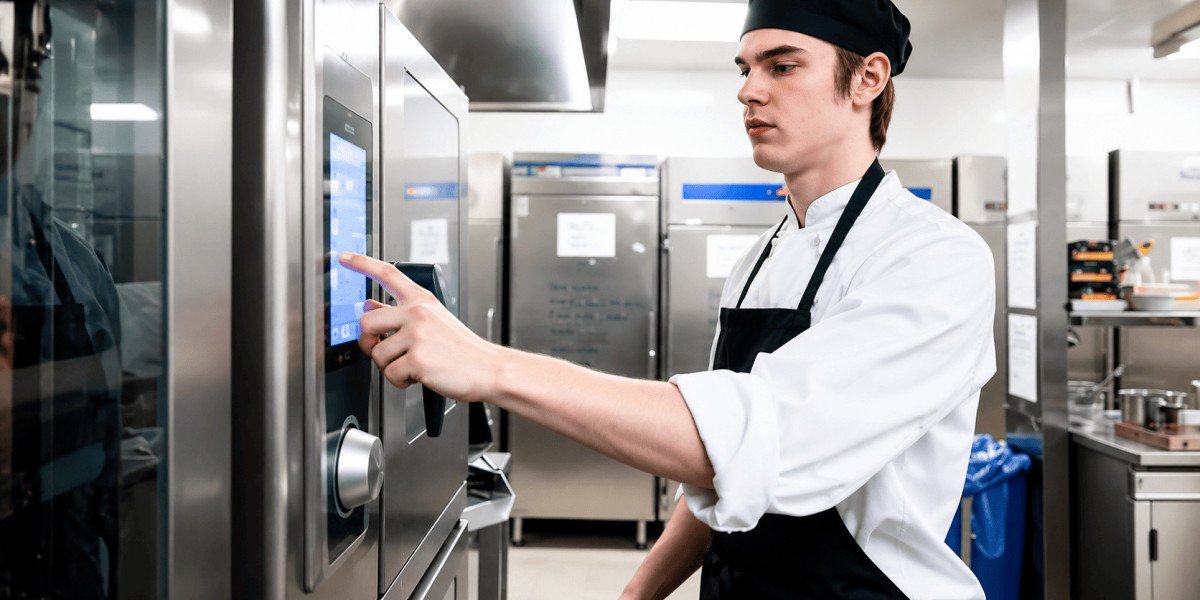
One of the biggest trends in commercial microwave technology is the integration of smart features. Modern units now include programmable cooking cycles, touch-screen controls, and customizable menu settings that simplify food preparation.
Instead of relying on manual cooking adjustments, employees can select pre-programmed settings that automatically deliver consistent results. This reduces human error and ensures that menu items are prepared according to established standards.
For multi-location restaurant brands, smart microwave technology helps maintain consistency across different locations. Customers receive the same quality experience regardless of where they place their order.
Addressing Labor Challenges
Labor shortages continue to impact foodservice businesses throughout Canada. Recruiting and retaining experienced kitchen staff remains a challenge for many operators, particularly in high-volume establishments.
Commercial microwaves help address this issue by simplifying food preparation processes. User-friendly controls and programmable cooking settings reduce training requirements and make it easier for new employees to perform kitchen tasks efficiently.
By reducing dependence on highly specialized labor, restaurant operators can maintain productivity even when staffing levels fluctuate. This flexibility has become increasingly important as businesses adapt to changing labor market conditions.
Energy Efficiency Is Becoming a Major Priority
Utility costs continue to rise across Canada, making energy-efficient equipment a top priority for restaurant owners. Commercial microwaves have become an attractive option because they often use less energy than traditional cooking methods for specific applications.
Manufacturers are developing equipment that delivers faster cooking performance while improving energy utilization. Advanced heating technologies help reduce cooking times and minimize wasted energy, resulting in lower operating costs over the long term.
Restaurants that invest in energy-efficient kitchen equipment can improve profitability while supporting sustainability initiatives that are becoming increasingly important to customers and communities.
Multifunctional Equipment Is Gaining Popularity
Another significant trend is the growing demand for multifunctional cooking equipment. Restaurant operators are looking for ways to maximize kitchen space while improving operational flexibility.
Modern commercial microwaves often combine multiple cooking functions within a single unit. Some models incorporate convection cooking, grilling capabilities, and advanced cooking programs that allow operators to prepare a wider range of menu items.
This versatility helps businesses make better use of available kitchen space while reducing the need for multiple appliances. For smaller restaurants and foodservice operations, multifunctional equipment can provide significant operational advantages.
Improving Food Consistency
Consistency is one of the most important factors in building customer loyalty. Guests expect the same quality every time they order their favorite menu items.
Commercial microwaves help restaurants maintain consistency by delivering precise cooking results. Advanced controls ensure that food is heated evenly and prepared according to exact specifications. This level of precision helps reduce waste, improve product quality, and enhance the overall customer experience.
For businesses with multiple locations, consistent food preparation is essential for maintaining brand reputation and customer trust.
Supporting Food Safety Standards
Food safety remains a critical concern for every foodservice operation. Commercial microwaves contribute to food safety by providing reliable and controlled heating processes.
Many modern units are designed to deliver uniform heating, reducing the risk of cold spots that can affect food quality and safety. Programmable cooking cycles also help ensure that products reach appropriate serving temperatures.
By supporting food safety protocols, commercial microwaves help restaurants maintain compliance with industry regulations while protecting customer health.
The Rise of Delivery-Focused Kitchens
Ghost kitchens and delivery-focused restaurant concepts continue to grow across Canada. These businesses depend heavily on efficiency and speed to meet customer expectations and maintain profitability.
Commercial microwaves have become valuable tools in these environments because they support rapid order preparation and help streamline kitchen operations. Their ability to quickly heat and finish menu items allows businesses to process large volumes of orders with minimal delays.
As delivery demand continues to expand, commercial microwaves are expected to remain an important component of successful ghost kitchen operations.
What Restaurant Operators Should Look For
When investing in a commercial microwave, restaurant operators should consider factors such as power output, durability, capacity, programming features, and ease of maintenance. High-volume kitchens typically benefit from higher-wattage units capable of continuous operation throughout the day.
Durability is also important because commercial kitchens place significant demands on equipment. Stainless-steel construction, heavy-duty components, and easy-to-clean interiors can help improve equipment longevity and reduce maintenance costs.
Choosing the right microwave requires understanding operational needs, menu requirements, and expected usage levels.
The Future of Commercial Microwave Technology
Commercial microwave technology continues to evolve as manufacturers develop smarter, faster, and more efficient solutions for the foodservice industry. Future innovations are expected to focus on automation, connectivity, advanced cooking controls, and further improvements in energy efficiency.
Restaurants that invest in modern microwave technology today will be better positioned to adapt to changing customer expectations and operational challenges in the future.
Final Thoughts
Commercial microwaves have become far more than simple reheating appliances. They now play a critical role in helping Canadian restaurants improve efficiency, reduce labor pressures, maintain food quality, and control operating costs. As smart technology, energy efficiency, and automation continue to shape the foodservice industry, commercial microwaves will remain an essential investment for businesses seeking long-term success in an increasingly competitive market.


