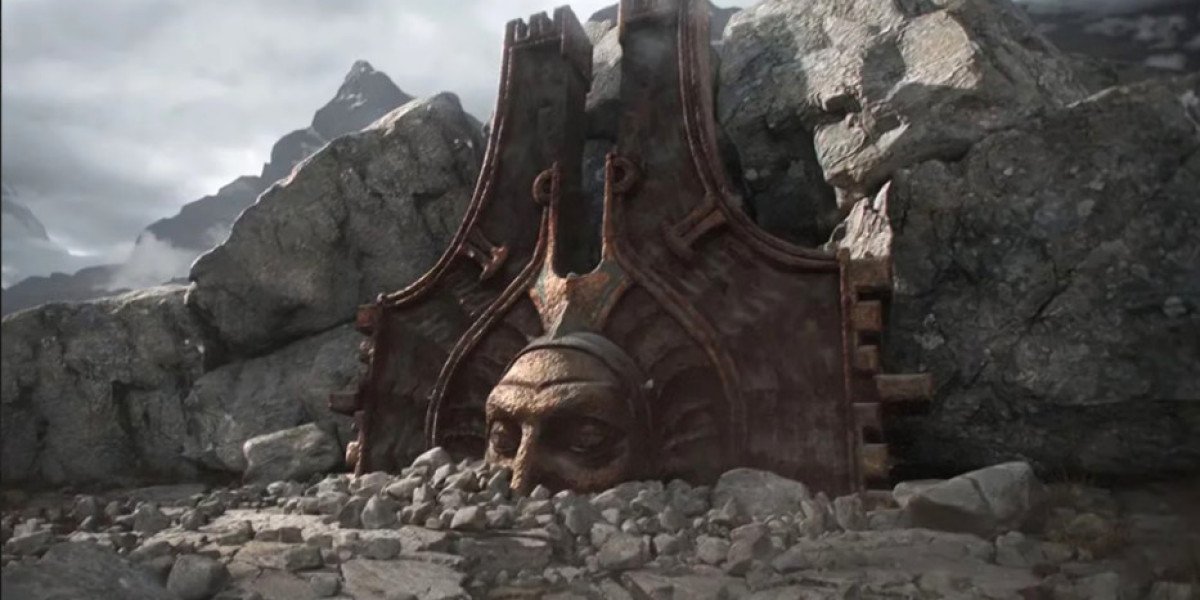

When you hit a Delirium Mirror in PoE 2 0.5.0, the map stops being a normal clear and turns into a moving test of nerve. The mirror is usually close to where you enter, so there's not much mystery. You step through, the fog rolls out, and suddenly your route matters more than your checklist. Monsters hit harder, take more punishment, and arrive in bigger packs. If your gear is barely holding together, even strong POE 2 Items won't save you from bad decisions. Delirium isn't just asking if you can kill. It's asking if you can kill while moving, while choosing, while not panicking.
The run is really about rhythm
You'll notice it fast: stopping feels expensive. Looting every shiny drop, chasing one rare into a side room, or turning back for a small reward can wreck the whole pace. A clean Delirium run is often less dramatic than people expect. You take the mirror, pick a lane, clear the thick packs, and keep your feet moving. If something is off your route, you ask if it's actually worth the time. Most bad runs don't collapse from one huge mistake. They fall apart because you lost ten seconds here, five seconds there, and then the fog has you fighting in the wrong place.
Shards are choices, not free prizes
Purple Shards, Red Shards, and Fractured Mirrors make the mechanic more interesting, but they also bait greedy play. Purple Shards raise the danger and improve rewards, so they're best when your damage still feels comfortable. Red Shards throw you into a sealed arena, which sounds great until your flask uptime is gone and three nasty rares are leaning on you. Fractured Mirrors can be worth touching if they're already on your path, but running across the map for one is often nonsense. The simple rule is this: if clicking it changes the run from controlled to messy, maybe don't click it.
Progression now has more weight
Delirium in 0.5.0 isn't just a one-off fog event anymore. Mirrors feed into a longer chain, including tougher mirror encounters, Grand Mirror progress, the Trial of Madness, Simulacrum access, and eventually Tangmazu. That means your build can't be only a fast mapper or only a boss killer. It needs both sides. You need enough speed to stay ahead of the fog, enough damage to deal with bosses before the fight drags, and enough defence to survive one ugly moment. Not ten ugly moments. One. That's usually the difference between a good Delirium build and a build that only looks good on paper.
Know when to push and when to leave
The best Delirium players aren't fearless. They're picky. They know when a Purple Shard is worth the risk, when a Red arena is a trap, and when a rare monster is just wasting time. That mindset matters more than people admit. If you're preparing for deeper fog, Simulacrum waves, or Tangmazu attempts, check your recovery, clear speed, and boss damage before chasing every reward icon on the screen. Better gear helps, and many players compare upgrades or POE 2 Items for sale while planning their next push, but the real lesson stays the same: greed is fine when it's planned, not when it's panic wearing a brave face.


