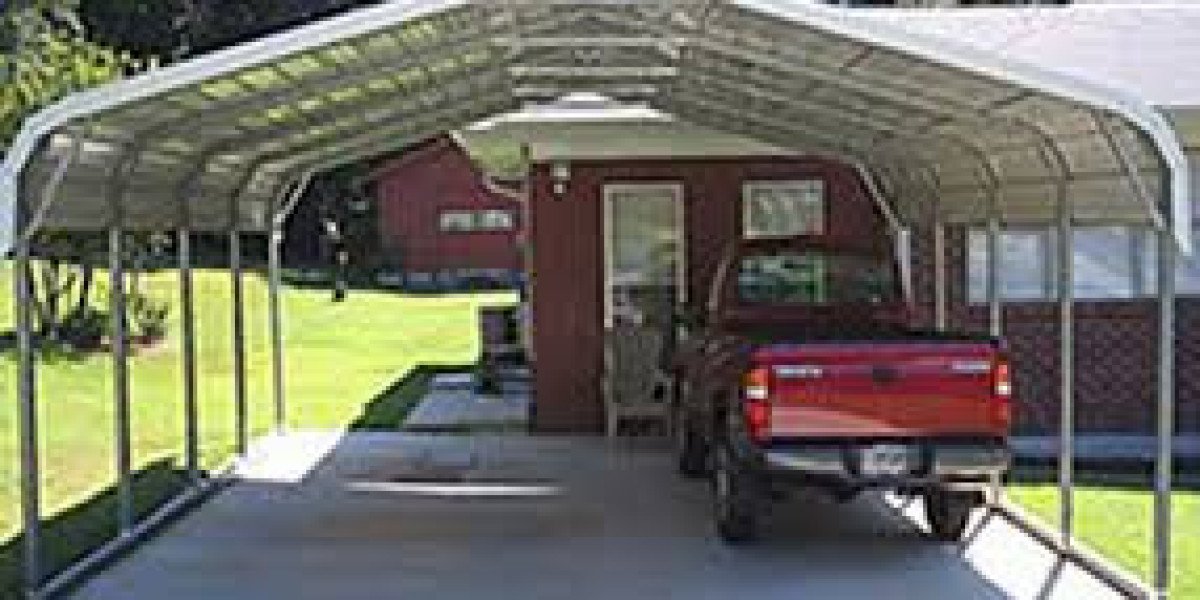

Introduction
Transportable shade sheds have become an increasingly popular solution for individuals and businesses seeking affordable, versatile, and temporary shelter options. Whether you need protection for vehicles, equipment, livestock, outdoor events, or construction materials, a transportable shade shed offers a practical alternative to permanent structures.
Designed for easy assembly, relocation, and durability, these portable shelters provide reliable protection from harsh weather conditions while maintaining flexibility for changing requirements. In this guide, we'll explore everything you need to know about transportable shade sheds, including their benefits, applications, features, and buying considerations.
What Is a Transportable Shade Shed?
A transportable shade shed is a portable shelter structure made from a strong steel or aluminum frame covered with a durable fabric canopy. Unlike permanent buildings, these sheds can be assembled, disassembled, and relocated with relative ease.
They are available in various sizes and designs, making them suitable for residential, agricultural, commercial, and industrial applications.
Key characteristics include:
Portable and relocatable design
Weather-resistant fabric coverings
Durable steel or aluminum frames
Quick installation and removal
Cost-effective alternative to permanent structures
Benefits of Transportable Shade Sheds
1. Mobility and Flexibility
The biggest advantage of transportable shade sheds is their ability to be moved when needed. Businesses and property owners can relocate the structure to accommodate changing operational requirements.
2. Cost-Effective Shelter
Constructing a permanent building can be expensive and time-consuming. Transportable shade sheds offer a significantly lower-cost alternative while still providing excellent protection.
3. Quick Installation
Most transportable shade sheds can be assembled within hours or days, depending on size. This makes them ideal for urgent storage or temporary shelter requirements.
4. Weather Protection
Modern shade fabrics are engineered to withstand:
Intense sunlight
UV radiation
Rain
Wind
Dust
This helps protect valuable assets from environmental damage.
5. Minimal Site Preparation
Unlike permanent buildings that require extensive foundations, many transportable shade sheds can be installed with minimal ground preparation.
6. Expandable Solutions
Many manufacturers offer modular systems that can be extended or modified as needs grow.
Common Uses for Transportable Shade Sheds
Vehicle Protection
Transportable shade sheds are commonly used to protect:
Cars
SUVs
Motorcycles
Boats
Caravans
RVs
Trucks
They shield vehicles from UV damage, rain, hail, and debris.
Agricultural Applications
Farmers use transportable sheds for:
Livestock shelter
Hay storage
Feed protection
Machinery storage
Temporary workspaces
Construction Sites
Construction companies utilize portable shade structures for:
Equipment storage
Material protection
Worker break areas
Temporary workshops
Commercial Storage
Businesses benefit from transportable shade sheds for:
Inventory storage
Overflow warehouse space
Fleet protection
Seasonal equipment storage
Events and Outdoor Activities
Portable shade sheds provide excellent shelter for:
Markets
Festivals
Sporting events
Exhibitions
Outdoor gatherings
Types of Transportable Shade Sheds
Open-Sided Shade Sheds
These structures provide maximum airflow while offering overhead protection from sun and rain.
Best for:
Vehicle parking
Livestock shelter
Equipment storage
Fully Enclosed Shade Sheds
Featuring side walls and doors, enclosed sheds provide enhanced security and weather protection.
Best for:
Valuable equipment
Inventory storage
Workshops
Dome-Shaped Structures
Dome designs offer excellent strength and efficient water runoff.
Benefits include:
Improved wind resistance
Enhanced durability
Modern appearance
Container-Mounted Shade Sheds
These systems attach directly to shipping containers, creating a covered workspace or storage area between containers.
Ideal for:
Construction sites
Mining operations
Industrial facilities
Key Features to Look For
Strong Frame Construction
Choose frames made from:
Galvanized steel
Powder-coated steel
Heavy-duty aluminum
These materials provide superior corrosion resistance and structural strength.
Quality Shade Fabric
Look for fabric with:
UV stabilization
Tear resistance
Waterproof properties
Fire-retardant ratings
Wind Rating
Always check the wind rating to ensure suitability for local conditions.
Easy Assembly
Prefabricated components and clear installation instructions can significantly reduce setup time.
Anchoring Systems
Reliable anchoring is essential for safety and structural stability.
Common options include:
Ground anchors
Concrete footings
Ballast systems
Choosing the Right Size
Selecting the appropriate size depends on intended use.
Small Sheds (3m–6m Width)
Suitable for:
Single vehicles
Small equipment
Backyard storage
Medium Sheds (6m–12m Width)
Ideal for:
Multiple vehicles
Farm machinery
Commercial storage
Large Sheds (12m+ Width)
Best for:
Industrial operations
Aircraft storage
Large-scale agriculture
Event venues
Maintenance Tips
Proper maintenance extends the lifespan of your transportable shade shed.
Regular Inspections
Check for:
Loose bolts
Fabric wear
Corrosion
Anchor movement
Clean the Fabric
Use mild soap and water to remove:
Dirt
Dust
Bird droppings
Organic debris
Monitor Weather Conditions
Inspect the structure after severe storms or high winds.
Replace Damaged Components Promptly
Address minor issues before they become major repairs.
Transportable Shade Shed vs Permanent Building
| Feature | Transportable Shade Shed | Permanent Building |
|---|---|---|
| Cost | Lower | Higher |
| Installation Time | Fast | Lengthy |
| Relocation | Easy | Not Possible |
| Flexibility | High | Limited |
| Permit Requirements | Often Simpler | Usually Extensive |
| Expansion | Easy | More Complex |
For many users, the flexibility and affordability of transportable shade sheds make them an attractive alternative to traditional construction.
Environmental Benefits
Transportable shade sheds can support sustainability efforts by:
Reducing construction waste
Using recyclable materials
Minimizing site disturbance
Extending the life of stored equipment
Their reusable nature makes them an environmentally responsible shelter option.
Conclusion
Transportable shade sheds provide a practical, cost-effective, and highly versatile solution for a wide range of shelter needs. Whether you're protecting vehicles, storing equipment, housing livestock, or creating temporary workspace, these portable structures deliver exceptional value and convenience.
With durable construction, weather-resistant materials, and easy relocation capabilities, transportable shade sheds continue to be a preferred choice for homeowners, farmers, businesses, and industrial operators. By selecting the right size, materials, and design, you can enjoy reliable protection and flexibility for years to come.