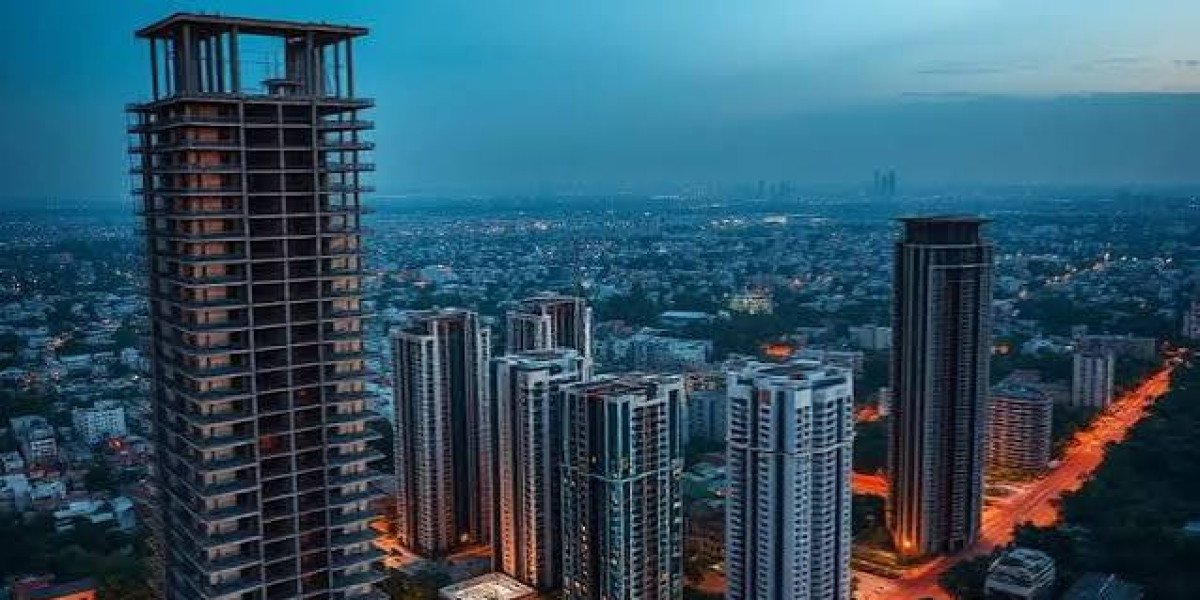

Buying a home is one of the biggest financial decisions you will ever make. In Bangalore's booming real estate market—where sales grew 33% and prices appreciated 24% in Q1 2026—choosing the right developer is just as important as choosing the right location. A trusted developer delivers quality, transparency, and timely possession. An unreliable one can leave you with legal troubles, substandard construction, and endless delays.
For those exploring Residential Properties, understanding how to evaluate developer reputation is essential. Here is a practical guide to help you make an informed choice.
Why Developer Reputation Matters
A developer's reputation is not just a matter of branding; it has direct, measurable consequences for your purchase. In Bengaluru in 2026, builder credibility has a direct outcome on what Khata your flat ends up with. In December 2025, the Karnataka Real Estate Regulatory Authority (KRERA) passed a significant order against a Bengaluru developer who failed to facilitate Khata transfer within the agreed timeline.
A credible builder will have a clean legal history, a strong record of timely deliveries, and solid financial backing. Their reputation among past buyers and the safety standards of their completed projects are also key indicators of their reliability.
Step 1: Check RERA Registration
RERA registration is non-negotiable. Every project with more than eight units or an area exceeding 500 square meters must be registered with the state authority. Verify the project on the Karnataka RERA website.
What to look for:
Valid RERA registration number
Project timeline and completion date
Percentage of project completion
Any complaints or disputes filed against the project
RERA ensures transparency, legal discipline, and better possession accountability. A valid RERA number means the project has met basic regulatory requirements, including financial disclosure and project timelines.
Step 2: Review Past Project Delivery History
A builder's past work tells the real story. Completed projects offer insight into build quality, finishing standards, and long-term maintenance.
What to check:
Timely delivery: Did the developer deliver previous projects on time? Look for consistent completion of projects within the agreed timeline.
Construction quality: Visit completed projects to assess build quality, finishing, and overall maintenance.
Post-handover support: Does the developer address issues after possession? Check with existing residents.
A strong track record indicates reliability and expertise. You can verify a developer's credibility by checking past project delivery history, RERA approvals, customer reviews, financial stability, and post-handover support records.
Step 3: Assess Legal Transparency and Documentation
Legal due diligence is critical. Before signing any agreement, verify that the developer has:
Clear land titles: The developer must have documented approvals and clear land titles.
A Khata: Check whether the property has A Khata or B Khata. A Khata properties are legally compliant and easier to finance and resell.
Approved building plan: Ensure the construction conforms to BBMP or BDA approvals.
Encumbrance Certificate: Shows whether the property has any financial or legal liabilities.
A builder's credibility is often reflected in their legal transparency and compliance. Buyers should also review how many projects a builder manages simultaneously—overextended developers are more likely to miss deadlines.
Step 4: Evaluate Financial Stability
A developer's financial health affects their ability to complete projects on time. Check:
Annual reports and financial records: Look for consistent revenue and profitability.
Project funding sources: Are projects self-funded or dependent on pre-sales? Over-reliance on buyer advances can be risky.
CRISIL or other ratings: Some developers are rated by agencies like CRISIL for their ability to execute projects in line with specified quality levels and timelines.
Financially stable developers are less likely to abandon projects or delay possession.
Step 5: Read Customer Reviews and Testimonials
Online reviews and customer feedback provide valuable insights into a developer's reputation.
Where to look:
Google Reviews
Real estate forums and discussion boards
Social media pages
RERA complaint portal
Look beyond the star rating. Read the actual comments to understand common issues—delays, construction quality, hidden charges, or poor post-sales service. A pattern of complaints is a red flag.
Step 6: Visit Completed and Ongoing Projects
Never buy based on brochures and sales pitches alone. Visit:
Completed projects: Assess build quality, finishing, maintenance, and resident satisfaction.
Ongoing projects: Observe construction quality, progress, and site management. Are workers following safety standards? Is the site organized?
A builder's past work is often the clearest indicator of what you can expect.
Step 7: Check Developer Awards and Recognition
While awards should not be the sole criterion, recognition from industry bodies can indicate credibility. For example, Vinra Construction was named among Bangalore's top 5 home construction companies in 2026, backed by 15 years of on-ground experience. Prestige Group has completed over 300 projects and has 56 ongoing.
Step 8: Understand the Khata Type
In Bengaluru in 2026, developer credibility has a direct, measurable outcome: what Khata your flat ends up with.
A Khata: Legally compliant property, easier to get loans and resell.
B Khata: May have legal or regulatory issues; financing and resale can be challenging.
Ensure your developer commits to providing A Khata for your property. The KRERA ruling against a developer who failed to facilitate Khata transfer highlights the importance of this issue.
Red Flags to Watch For
Be cautious if you encounter any of these warning signs:
No RERA registration or reluctance to share RERA details
Unrealistically low prices compared to market rates
High-pressure sales tactics urging immediate booking
Vague or incomplete documentation
Multiple ongoing projects with no completed ones to show
Negative online reviews with patterns of complaints
Verbal assurances without written commitments
Conclusion
Choosing the right developer is one of the most critical decisions in your home-buying journey. By checking RERA registration, reviewing past projects, assessing legal transparency, evaluating financial stability, and reading customer reviews, you can separate trustworthy developers from unreliable ones.
The Bangalore Real Estate market offers tremendous opportunities, but success lies in informed decision-making. A systematic approach to evaluating developer reputation will help you secure a property that meets your expectations and protects your investment for years to come.


