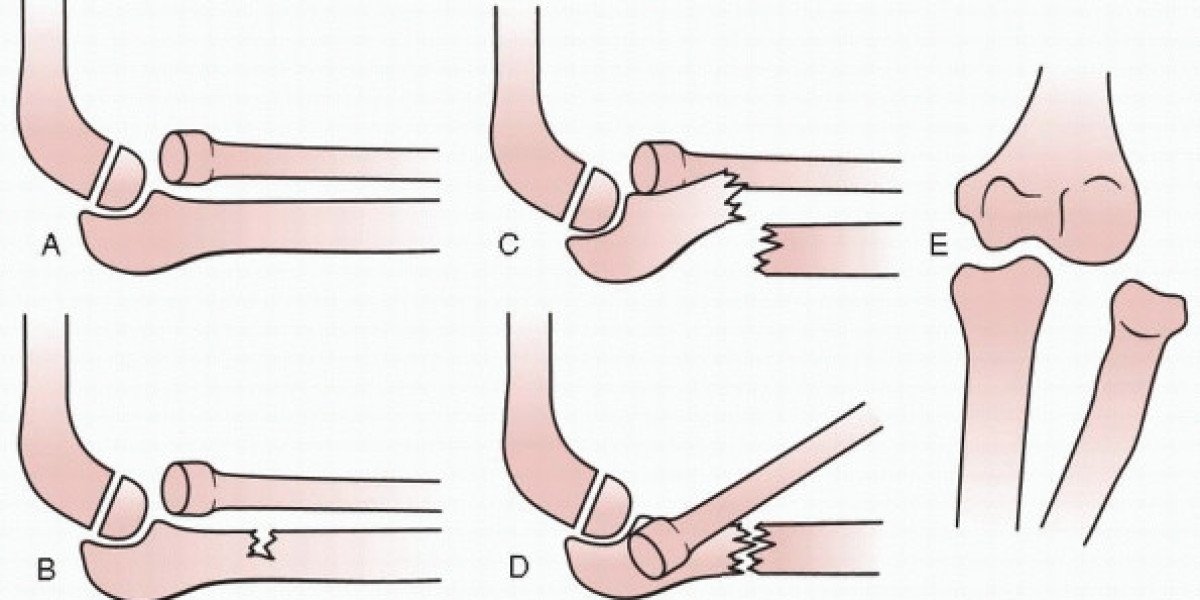

One of the most common questions people ask after a fall or impact is: 'Is it broken or just bruised?' The only way to know for certain is through imaging, but understanding the signs and differences between sprains, fractures and dislocations can help you make a faster, better-informed decision about seeking care. First Care Family Clinic evaluates musculoskeletal injuries regularly, and we want you to have the knowledge to act quickly when it matters.
What Is a Fracture?
A fracture is simply a broken bone; it can range from a hairline crack to a complete break where the bone separates into multiple pieces. Fractures are classified in several ways:
- Closed (simple) fracture: the bone breaks but doesn't puncture the skin
- Open (compound) fracture: the broken bone pierces through the skin always a medical emergency
- Stress fracture: a small crack from repetitive stress or overuse, common in athletes and military personnel
- Greenstick fracture: the bone bends and partially breaks more common in children whose bones are more flexible
What Is Dislocation?
A dislocation occurs when the bones in a joint are forced out of their normal position. Common sites include the shoulder, elbow, finger, hip, and kneecap. Dislocations are extremely painful, cause obvious deformity, and should never be 'popped back in' by anyone other than a trained medical professional improper reduction can cause nerve and blood vessel damage.
Signs You May Have a Fracture or Dislocation
- Immediate, significant pain at the injury site
- Swelling and bruising that develops rapidly
- Deformity the limb or joint looks wrong compared to the other side
- Inability to bear weight or move the affected area normally
- A snapping or grinding sensation at the time of injury
- Numbness or tingling (which may suggest nerve involvement)
What to Do Before You Reach the Clinic
Proper first aid before medical evaluation prevents further injury:
- Immobilise the injury splint it in the position you find it, don't try to straighten it
- Apply ice wrapped in a cloth to reduce swelling (20 minutes on, 20 off)
- Elevate the injured limb if possible
- Don't eat or drink in case sedation is needed
- Call ahead so the clinic can prepare for your arrival
How Fractures and Dislocations Are Treated
Treatment depends on the type, location, and severity of the injury. Most fractures are treated with immobilisation, a cast, splint, or brace that holds the bone in proper alignment while it heals. Some fractures require surgical repair with pins, plates, or screws. Dislocations are reduced (repositioned) by a physician, usually under sedation or local anaesthetic, then immobilised and followed up to check for associated injuries.
Conclusion
When you suspect a fracture or dislocation, time matters. Getting proper imaging and treatment quickly means better alignment, faster healing, and reduced risk of complications like malunion or chronic joint instability. First Care Family Clinic offers on-site X-ray and experienced evaluation so you don't have to sit in an emergency room for hours to find out what's going on. Come in and let us take care of it properly.
Frequently Asked Questions
Q: Can I walk on a fractured foot?
A: Sometimes but walking on a fracture risks displacing the bones and worsening the injury. Get it evaluated first.
Q: How do I tell a fracture from a bad sprain?
A: You often can't without an X-ray. When in doubt, treat it as a fracture until imaging says otherwise.
Q: How long do fractures take to heal?
A: Simple fractures take 6,8 weeks on average; complex or large-bone fractures may take several months.
Q: Is a dislocation worse than a fracture?
A: Both serious dislocations need prompt reduction to avoid lasting damage to nerves and blood vessels.
Q: Do all fractures need a cast?
A: Not necessarily some fractures are treated with splints, braces, or buddy-taping depending on location and type.